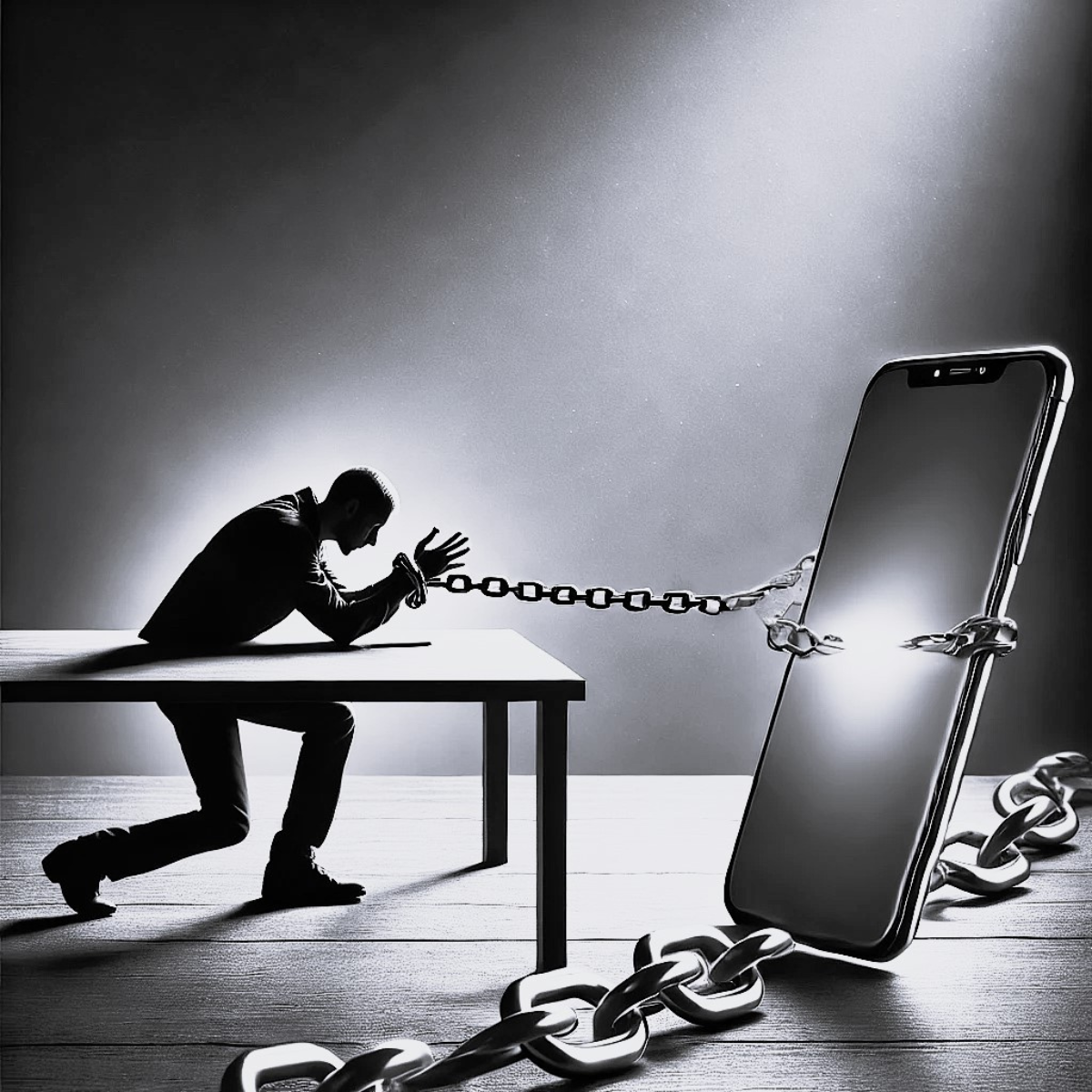
Smartphones dominate modern life. These devices have become extensions of ourselves, serving as pocket-sized lifelines for productivity, communication, and control. Many leaders view mobile devices as indispensable tools that enable responsiveness and accessibility.
An uncomfortable reality often goes unnoticed: smartphones may be quietly undermining leadership effectiveness.
Every glance at a screen during a meeting, every swipe during a one-on-one conversation, and every moment spent dividing attention between a person and a notification sends a message. Team members interpret those actions as a signal that they are not the priority.
Many leaders believe they are multitasking, staying informed, and maintaining productivity. Team members often see something entirely different. Distraction becomes visible. Attention appears divided. Feelings of being undervalued begin to emerge.
Trust gradually weakens when people consistently compete with notifications for their leader’s attention. Engagement declines when employees believe they are not being fully heard.
The Societal Trap: Why Leaders Struggle to Disconnect
Modern society celebrates busyness. Hustle culture promotes the idea that being constantly available is a sign of commitment and success.
Responding to emails late at night is often viewed as dedication. Taking calls during personal time is frequently praised as a strong work ethic. Constant availability has become a badge of honor.
Many leaders convince themselves they can remain fully engaged while multitasking. Reality tells a different story. Human attention is limited. Divided attention almost always results in diminished focus and reduced connection.
Dependence on mobile devices has become a significant leadership blind spot. Damaged relationships, reduced engagement, and weakened trust often follow.
Breaking the Cycle
Effective leadership requires intentional changes in behavior. Small adjustments can significantly improve presence and strengthen relationships.
Create Phone-Free Meetings
Establish clear expectations for meetings and one-on-one conversations. Phones should remain out of sight. Email notifications should be silenced. Conversations deserve undivided attention.
People quickly recognize when leaders are fully present.
Be Present in Uncomfortable Moments
Challenging conversations often create a temptation to seek distraction. Smartphones provide an easy escape.
Strong leaders resist that temptation. Difficult discussions require presence, focus, and active listening. Growth frequently occurs during uncomfortable moments.
Prioritize People Over Pings
Emails will still be there after the meeting. Team notifications can wait. Most messages do not require an immediate response.
Team members should never feel less important than the next notification. Consistent attention demonstrates respect and reinforces trust.
The Leadership Challenge: Presence Over Pings
A striking irony exists in today’s workplace. The same technology designed to keep people connected often creates disconnection where it matters most.
Leadership is not about being constantly available. Leadership is about being fully present.
Teams do not need leaders who remain tethered to screens. Teams need leaders who listen, engage, and show up with intention. Meaningful leadership requires attention, awareness, and genuine human connection.
The next time a phone appears during a meeting or conversation, take a moment to pause and reflect.
Ask yourself a simple question:
Am I strengthening my leadership, or am I undermining it?
Put the phone down.
Look up.
Be present.