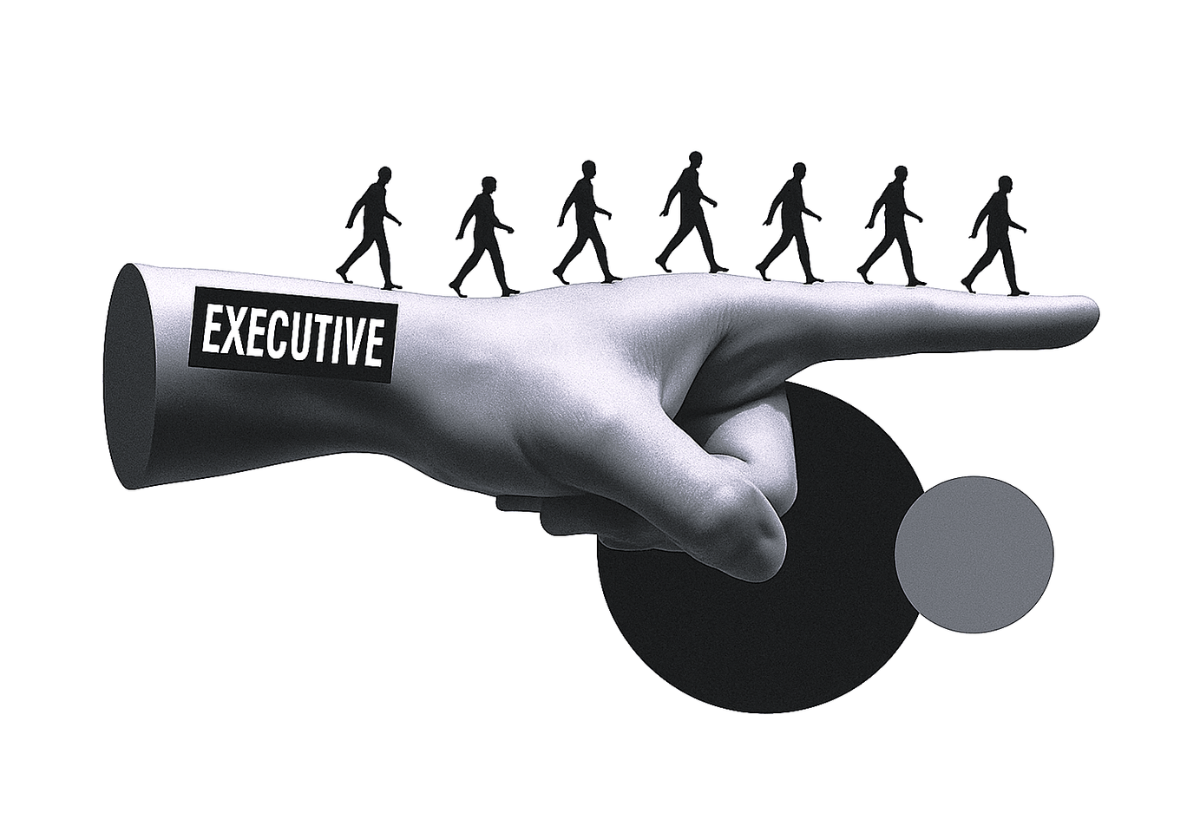
Modern culture celebrates busyness as a measure of ambition and success. Long hours, packed calendars, and constant productivity are often viewed as signs of achievement.
Productivity, however, is not the same as progress.
Many people spend their days moving from one task to another without taking time to evaluate whether their efforts are creating meaningful results.
Success is not determined by working harder.
Success is built by working intelligently and allowing time for rest, reflection, and renewal.
Constant activity without intentional recovery resembles running on a treadmill. Energy is expended, yet little forward progress is made.
Early mornings and long workdays may demonstrate discipline, but relentless effort loses its value when exhaustion replaces effectiveness.
The Science Behind Doing Nothing
Downtime is not wasted time.
Periods of rest allow the brain to recover, process information, and perform at a higher level.
Scientific research continues to demonstrate that intentional breaks improve cognitive performance and long-term productivity.

Creativity Improves During Rest
The brain’s Default Mode Network becomes more active when attention shifts away from focused work.
Creative insights often emerge during ordinary moments such as walking, showering, or sitting quietly because the brain continues processing information in the background.
Many breakthrough ideas occur during periods of mental rest rather than intense concentration.
Stress Levels Decrease
Continuous work increases stress hormones that gradually reduce focus, creativity, and decision-making ability.
Rest allows the mind and body to recover, restoring mental clarity and emotional balance.
Leaders who manage stress effectively are better equipped to make thoughtful decisions under pressure.
Memory and Learning Improve
Downtime allows the brain to organize, store, and strengthen newly acquired information.
Learning becomes more effective when periods of focused work are balanced with adequate recovery.
Mental performance depends on both effort and restoration.
How Successful People Use Downtime Strategically
High-performing leaders understand that recovery is part of performance rather than an interruption to it.
Rest becomes a strategic investment rather than an indulgence.
Schedule Time to Disconnect
Highly productive individuals intentionally create periods without meetings, notifications, or work obligations.
Quiet time provides an opportunity to recharge, think clearly, and return with renewed focus.
Space often creates better decisions than constant activity.
Use Rest to Generate New Ideas
Creative thinking rarely develops under continuous pressure.
Many successful innovators deliberately include activities such as walking, reflection, or quiet thinking in their routines because those moments encourage new perspectives and fresh ideas.
Innovation requires mental space.
Reflect Before Reacting
Constant responsiveness can create the illusion of productivity while reducing strategic thinking.
Intentional pauses create opportunities to ask important questions.
- Am I focusing on the right priorities?
- What matters most right now?
- Where can I improve?
- What should I stop doing?
Reflection improves judgment and strengthens decision-making.
Protect Your Energy
Time management remains important.
Energy management often determines long-term performance.
Leaders who protect their physical, mental, and emotional energy consistently sustain higher levels of effectiveness than those who simply work longer hours.
Endurance creates lasting success.
Final Thoughts: Stop Glorifying Busyness and Start Valuing Rest
Busyness has become a status symbol in many workplaces.
Constant activity can create the appearance of productivity while masking exhaustion, burnout, and diminishing performance.
Many people avoid quiet moments because silence encourages honest self-reflection.
Rest creates an opportunity to evaluate priorities, recognize what is working, identify what needs to change, and regain clarity.
Doing nothing is not a sign of laziness.
It is a deliberate leadership practice that creates better thinking, stronger decisions, greater creativity, and sustainable success.
Sometimes the most productive thing a leader can do is pause long enough to ensure the next step is the right one.